

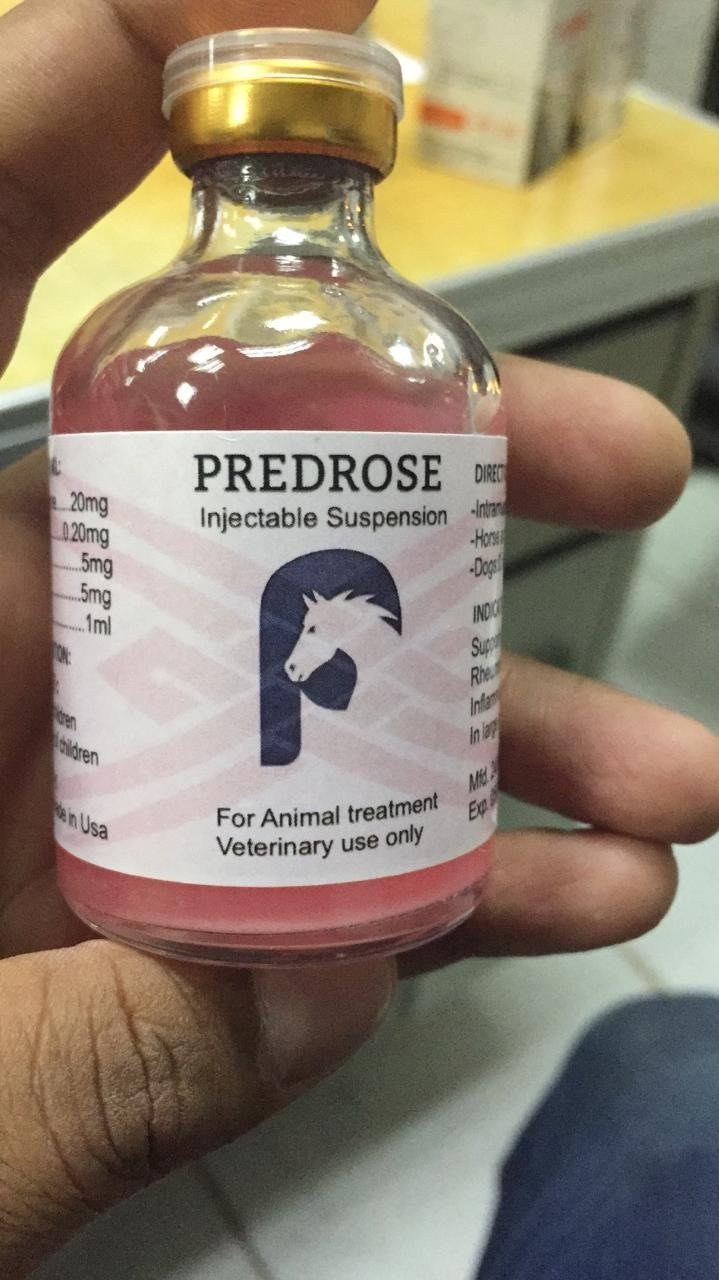
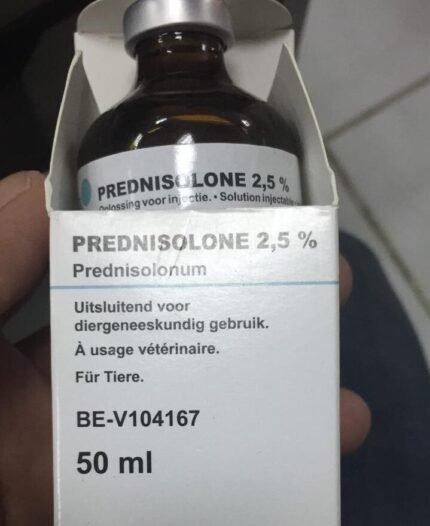

Buy Predrose Injectable Online From Vet Ranch Supply
Predrose Injectable is a veterinary injectable formulation reported to contain a combination of phenylbutazone and dexamethasone. Available product information describes the combination as being used for anti-inflammatory, analgesic and antipyretic purposes in veterinary medicine, particularly in horses and other specified animals.
The combination of an NSAID with a corticosteroid makes Predrose a product that requires particularly careful veterinary oversight. Phenylbutazone and dexamethasone are both pharmacologically active medicines, and their combined use should not be treated like an ordinary nutritional supplement or general-purpose performance product.
For customers researching Predrose Injectable, Predrose Injection for Horses, Predrose veterinary injection, phenylbutazone and dexamethasone injection, or Predrose for equine veterinary care, the most important consideration is using the exact formulation according to its approved product information and the direction of a veterinarian.
Online product listings describe Predrose as a combination intended for inflammatory and pain-related veterinary applications and report administration information for horses, camels and dogs. However, because publicly available listings can vary in their descriptions, the actual manufacturer’s label and local regulatory authorization should be treated as the definitive source for concentration, species, route and dosage.
What Is Predrose Injectable?
Predrose Injectable is described in available veterinary product information as an injectable combination containing phenylbutazone and dexamethasone.
The two ingredients belong to different pharmacological categories:
- Phenylbutazone — a non-steroidal anti-inflammatory drug (NSAID)
- Dexamethasone — a corticosteroid with potent anti-inflammatory and immunosuppressive properties
Because the two medicines act differently, the formulation is intended to provide substantial anti-inflammatory activity.
However, this combination also makes careful veterinary assessment especially important.
Predrose Injectable for Horses
Predrose is particularly marketed in veterinary sources in connection with horses and other animals. One online product listing describes administration information for horses, camels and dogs.
For equine patients, anti-inflammatory treatment may be considered for specific inflammatory conditions where a veterinarian determines that the expected benefits outweigh the potential risks.
A horse experiencing pain, stiffness, lameness, swelling or reduced performance should not automatically be treated with an injectable anti-inflammatory. These signs can have many causes, and identifying the underlying problem is an important part of appropriate veterinary care.
Active Ingredients in Predrose
Phenylbutazone
Phenylbutazone is an NSAID commonly used in veterinary medicine for its anti-inflammatory and analgesic properties.
It can reduce inflammation-associated discomfort and is particularly associated with musculoskeletal conditions in horses.
Because phenylbutazone can produce gastrointestinal, renal and other adverse effects, dosing and treatment duration should be determined by a veterinarian.
Dexamethasone
Dexamethasone is a corticosteroid.
It has potent anti-inflammatory effects and can suppress certain immune and inflammatory responses.
Unlike an NSAID, dexamethasone works through corticosteroid-dependent mechanisms, making it useful for selected inflammatory and immune-mediated conditions.
Because corticosteroids can have significant systemic effects, they should be used carefully and only when medically appropriate.
How Predrose Works
Predrose combines the activity of phenylbutazone and dexamethasone.
Phenylbutazone provides NSAID-based anti-inflammatory and analgesic activity, while dexamethasone provides corticosteroid-based anti-inflammatory activity.
This makes Predrose a potent veterinary formulation rather than a routine supplement.
The goal of treatment is generally to reduce clinically significant inflammation and associated discomfort when the veterinarian determines that the formulation is appropriate.
Reducing inflammation does not necessarily correct the underlying cause of a condition. Diagnostic evaluation may still be required.
Predrose for Inflammation
Inflammation can develop in response to injury, disease, immune activity or other processes.
In horses, inflammation may contribute to:
- Joint discomfort
- Musculoskeletal pain
- Swelling
- Stiffness
- Lameness
- Reduced mobility
- Reduced performance
- Fever associated with inflammatory disease
The veterinarian should determine the underlying cause before selecting an anti-inflammatory treatment.
Predrose may be considered when its particular combination of active ingredients is clinically appropriate.
Predrose for Pain Management
Pain management in horses requires more than simply reducing pain.
Pain may indicate an underlying injury or disease that requires additional treatment.
Phenylbutazone contributes analgesic activity to Predrose, while dexamethasone provides potent anti-inflammatory effects.
A veterinarian may therefore consider such treatment in selected circumstances where controlling inflammation is an important part of the overall treatment plan.
Predrose and Equine Musculoskeletal Conditions
Musculoskeletal problems are common reasons for veterinary assessment in horses.
A horse may develop inflammation following:
- Trauma
- Joint disease
- Soft-tissue injury
- Muscular injury
- Overuse
- Other inflammatory conditions
The appropriate medicine depends on the diagnosis.
Predrose should not be presented as a universal treatment for every type of lameness or performance problem.
A thorough veterinary examination can help distinguish inflammatory conditions from fractures, tendon injuries, infections, neurological problems and other causes of abnormal movement.
Predrose Administration
Available product information reports injectable administration and gives dosing information for several species.
Because this is an injectable veterinary medicine, administration should be performed by a veterinarian or appropriately trained veterinary professional.
The precise route must be confirmed using the label for the actual product.
Do not assume that an administration route listed on an unrelated website is appropriate for every Predrose formulation.
This is particularly important for injectable medicines because incorrect administration can result in serious complications.
Predrose Dosage
Online product information currently available for Predrose describes dosage based on animal species and body weight.
However, dosage information should not be copied from an online product listing and used independently.
The veterinarian should establish:
- The appropriate dose
- Administration route
- Frequency
- Treatment duration
- Whether treatment should be repeated
- Whether another medicine is more appropriate
The animal’s weight, age, medical condition, hydration, concurrent medications and treatment history can all influence the decision.
Why Correct Predrose Dosing Matters
Predrose contains two potent pharmacological agents.
Incorrect dosing may increase the possibility of adverse effects.
The risk can be particularly important when corticosteroids and NSAIDs are involved because both drug classes can affect the gastrointestinal system and other physiological processes.
Never increase the dose because an animal does not appear to be improving.
Likewise, do not extend treatment beyond the prescribed period without veterinary advice.
Predrose and Gastrointestinal Safety
One of the most important considerations with phenylbutazone-containing medicines is gastrointestinal safety.
NSAIDs can affect protective mechanisms within the gastrointestinal tract.
Horses may therefore require particular attention to signs of digestive discomfort during treatment.
Contact a veterinarian if a treated horse develops signs such as:
- Reduced appetite
- Colic-like behavior
- Abnormal manure
- Digestive discomfort
- Depression
- Other unexpected changes
The veterinarian can determine whether treatment should continue.
Predrose and Corticosteroid Considerations
Dexamethasone is a corticosteroid.
Corticosteroids can influence immune function, metabolism, fluid balance and other physiological systems.
They may also mask some clinical signs of disease.
For this reason, corticosteroid treatment should be carefully selected.
The veterinarian should know if the animal has:
- An infection
- Diabetes or metabolic disease
- Gastrointestinal disease
- Kidney problems
- Liver disease
- Pregnancy
- A history of steroid sensitivity
- Other significant medical conditions
Predrose and NSAID Interactions
Because Predrose contains phenylbutazone, it is important to tell the veterinarian about other NSAIDs the animal is receiving.
Examples include:
- Flunixin
- Meloxicam
- Firocoxib
- Other phenylbutazone products
- Aspirin or other salicylates
- Other anti-inflammatory medicines
Combining NSAIDs can increase the risk of adverse effects.
Predrose and Other Corticosteroids
The veterinarian should also be informed if the animal is receiving another corticosteroid.
Examples include:
- Prednisolone
- Prednisone
- Dexamethasone
- Other glucocorticoids
Using corticosteroids together without professional direction can increase the risk of unwanted effects.
Predrose for Competition Horses
Competition horses require special attention when medicines are involved.
Anti-inflammatory medicines and corticosteroids may be regulated under competition rules.
The online product listing for Predrose includes a recommendation to suspend administration before racing.
However, competition rules vary among organizations and can change over time.
Trainers and owners should therefore check the current medication and prohibited-substance rules of the specific racing or sporting organization.
Never assume that a single withdrawal period applies universally.
Predrose and Performance Horses
A medicine should not be used simply to make an apparently healthy horse train or compete harder.
Inflammation and pain can be signs that a horse requires rest, diagnosis or rehabilitation.
Using an analgesic or anti-inflammatory medicine to mask pain can potentially allow an injury to worsen.
Veterinary assessment should therefore come before treatment decisions involving performance horses.
Predrose for Dogs
Some online product information describes Predrose dosing for dogs.
However, species-specific dosing and product authorization should always be confirmed from the actual label.
Dogs have different pharmacological considerations from horses, and a formulation marketed primarily for equine use should not automatically be assumed to be suitable for a dog.
A veterinarian should select the appropriate medicine and formulation for canine patients.
Predrose for Camels
Available product information also mentions camel administration.
Where livestock or other food-producing species are involved, additional regulatory requirements can apply.
Customers should verify the approved species, withdrawal periods and local veterinary regulations before use.
Predrose and Food-Producing Animals
Food-animal use requires special attention.
Veterinary medicines can have specific withdrawal periods for:
- Meat
- Milk
- Eggs
- Other animal-derived food products
A product authorized for one species or purpose should not automatically be used in another species.
Always follow the applicable veterinary label and local regulations.
Predrose During Pregnancy
Pregnancy is an important consideration before using corticosteroid-containing medicines.
The veterinarian should know if an animal is pregnant, potentially pregnant, lactating or intended for breeding.
The risks and benefits should be assessed before treatment.
Predrose Side Effects
The potential adverse effects of a medicine containing an NSAID and corticosteroid can vary according to the individual animal, dose, treatment duration and health status.
Potential concerns can include effects involving:
- Gastrointestinal function
- Kidney function
- Immune response
- Fluid balance
- Metabolism
- Wound healing
- Infection susceptibility
Any unexpected clinical signs should be discussed with the veterinarian.
When to Contact a Veterinarian
Veterinary attention should be sought if a treated animal develops significant or unexpected symptoms.
Examples include:
- Severe digestive problems
- Collapse
- Extreme weakness
- Difficulty breathing
- Severe swelling
- Abnormal urination
- Persistent fever
- Worsening lameness
- Signs of infection
- Major behavioral changes
Emergency signs should be treated as an urgent veterinary matter.
Predrose Storage
Storage requirements depend on the specific manufacturer’s formulation and label.
Customers should inspect the packaging for:
- Required temperature
- Light protection
- Container instructions
- Expiration date
- Open-vial instructions
Do not use an injectable product after its expiration date or if the product’s appearance has changed in a way that is inconsistent with the manufacturer’s instructions.
Buying Predrose Injectable
When searching for Predrose Injectable online, customers should look beyond the product name.
Important product details include:
- Exact formulation
- Active ingredients
- Concentration
- Bottle size
- Target species
- Approved indication
- Administration route
- Manufacturer
- Expiration date
- Storage requirements
- Applicable prescription requirements
This is particularly important for international veterinary medicine purchases.
Predrose Injectable for USA Customers
Customers in the United States should follow applicable federal and state veterinary medicine requirements.
Veterinary medicines may have different regulatory statuses in different countries.
The fact that a product is listed by an international supplier does not automatically establish that it is approved for unrestricted use in the United States.
A veterinarian should determine whether the product is appropriate and legally available for the intended use.
Predrose for Canada, Australia and European Markets
Customers searching for Predrose Injectable in Canada, Australia, France, Germany, Spain, the Netherlands, Mexico and other countries should verify local requirements.
Veterinary medicine regulations can differ regarding:
- Prescription status
- Importation
- Authorized species
- Approved indications
- Food-animal use
- Withdrawal periods
- Competition restrictions
Vet Ranch Supply should therefore provide country-neutral product information and encourage customers to follow their local veterinary requirements.
Natural Search Terms for Predrose
A comprehensive product page can naturally address searches such as:
- Predrose Injectable
- Predrose Injection
- Predrose for horses
- Predrose injectable for horses
- Predrose veterinary injection
- Predrose horse injection
- Phenylbutazone dexamethasone injection
- Phenylbutazone and dexamethasone for horses
- Equine anti-inflammatory injection
- Veterinary anti-inflammatory injection
- Injectable anti-inflammatory for horses
- Horse inflammation treatment
- Equine pain management
These phrases should be incorporated naturally rather than repeated excessively.
Frequently Asked Questions
What is Predrose Injectable?
Predrose Injectable is described in available veterinary product information as an injectable combination containing phenylbutazone and dexamethasone.
What does Predrose contain?
The available product listing identifies phenylbutazone and dexamethasone as the active ingredients.
What is Predrose used for?
Available product information describes Predrose for anti-inflammatory, analgesic and antipyretic veterinary purposes.
Is Predrose used in horses?
Yes, available product information describes its use in horses.
Is Predrose an NSAID?
Predrose contains phenylbutazone, which is an NSAID. It also contains dexamethasone, a corticosteroid.
Can Predrose be used with another NSAID?
It should not be combined with another NSAID unless specifically directed by a veterinarian.
Can Predrose be used with another corticosteroid?
Do not combine corticosteroids without veterinary direction.
Can Predrose be used in competition horses?
Competition regulations vary. The applicable racing or sporting organization should be consulted before treatment.
Can Predrose be given to dogs?
Some product information describes canine administration, but the veterinarian should confirm whether the exact formulation is appropriate for the dog.
Can Predrose be used in pregnant animals?
Pregnancy requires veterinary assessment before using a corticosteroid-containing medicine.
How should Predrose be administered?
The exact route should be confirmed from the label for the specific formulation and administered by a veterinarian or appropriately trained professional.
Predrose Injectable — Vet Ranch Supply
Predrose Injectable is a veterinary combination product described in available product information as containing phenylbutazone and dexamethasone. These ingredients provide different but complementary anti-inflammatory actions, with phenylbutazone contributing NSAID-based analgesic and anti-inflammatory activity and dexamethasone providing corticosteroid-based anti-inflammatory effects.
For customers searching for Predrose Injectable for Horses, Predrose Injection, Predrose veterinary injection, or phenylbutazone and dexamethasone injection, understanding the formulation is important. This is a potent veterinary medicine and should be used only when the veterinarian determines that the combination is appropriate.
The product is particularly relevant to veterinary management of inflammatory conditions where reducing inflammation and associated discomfort forms part of the overall treatment strategy. However, controlling clinical signs should not replace diagnosis. A horse with lameness, pain, swelling, fever or a sudden change in performance may have an underlying injury or disease requiring additional treatment.
Because Predrose combines an NSAID with a corticosteroid, careful consideration of concurrent medicines is especially important. Owners should tell the veterinarian about all medications the animal has received, including other NSAIDs and corticosteroids.
Competition horses require additional attention because medication rules vary among racing and sporting organizations. The applicable rules should always be checked before treatment.
For Vet Ranch Supply, Predrose Injectable can be presented with detailed information about its active ingredients, veterinary applications, species considerations, administration, precautions and responsible use. This gives customers looking for Predrose for horses, equine anti-inflammatory injection, and related veterinary medicine terms a useful and informative product resource without relying on repetitive keyword placement or unsupported claims.
Predrose injectable The combination of phenylbutazone and dexamethasone enhance animal’s resistance during training and race Optimal product for racing animals Anti-inflammation, analgesic, antipyretic
METHOD OF ADMINISTRATION
Apply 5 ml for 5 days – IM (suspend 7 days before the race).
IV and IM administration
– Horse and camel: 4 ml/100 kg BW
– Dogs: 0.5 ml/10 kgs BW
Withdrawal time: 07 days before slaughter
Contra-indication: Do not use for hypersensitive animals to any components
PRESERVATION: Store in a cool place and keep out of direct sunlight.
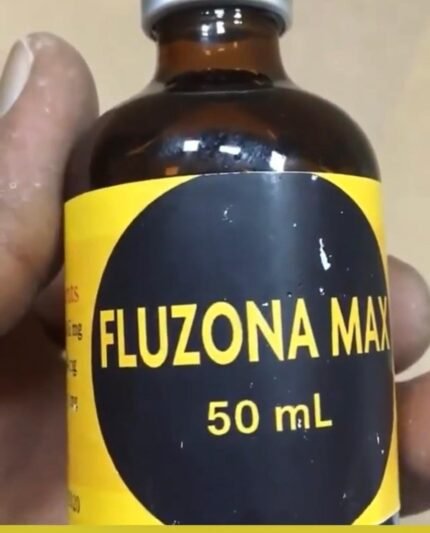
The FLUMAX product must be administered by intramuscular or intravenous routes, every 24 hours with intervals of 3 to 5 days at the discretion of the Veterinarian, using a sterile and disposable syringe and needle. Aseptic procedures must be used in the application.
In horses, administer 1 ml of the product for every 45 kg of live weight, which corresponds to 1.1 mg of Flunixin Meglumine, to relieve pain associated with colic/endotoxemia. predrose injectable
Precautions and Warnings:
Doses greater than 10 ml of the product should be divided into two or more application points.
Respect the indications for dose and duration of treatment.
Do not apply intra-arterially.
Obey the product’s storage instructions.
Use sterile syringes and needles, observing good asepsis practices.
Apply with caution to animals with gastrointestinal ulceration or pre-existing renal, hepatic or hematological disorders.
It is recommended to avoid or apply the drug to pregnant females with maximum precaution and supervision by the Veterinarian.
If an allergic reaction occurs, discontinue administration of the product immediately.
Do not store the product near food, beverages, other medications, personal or household hygiene products.
Avoid smoking or eating while handling.
Do not wash empty containers or throw them into rivers or springs. Do not reuse empty packaging, which must be destroyed by inciretion.
Wash hands after handling.predrose injectable
The drug must be used under the guidance of a Veterinarian. The main toxicities of NSAIDs are associated with the gastrointestinal, hematopoietic and renal systems.
Gastrointestinal damage is the most common and serious side effect. Gastroduodenal erosion and ulceration reflect prostaglandin E2-mediated inhibition of bicarbonate and mucus secretion, epithelialization, and mucosal blood flow.
All NSAIDs are capable of impairing platelet activity related to thromboxane synthesis.
Analgesic nephropathy is a common adverse effect of NSAIDs in humans, however, it does not occur as often in domestic animals, in part because the drugs are not used as chronically. In the kidney, vasodilating prostaglandins are protective, ensuring arterial and renal vasoconstriction. The loss of this protective effect becomes important in patients with impaired renal function. Patients predisp




Reviews
There are no reviews yet.